

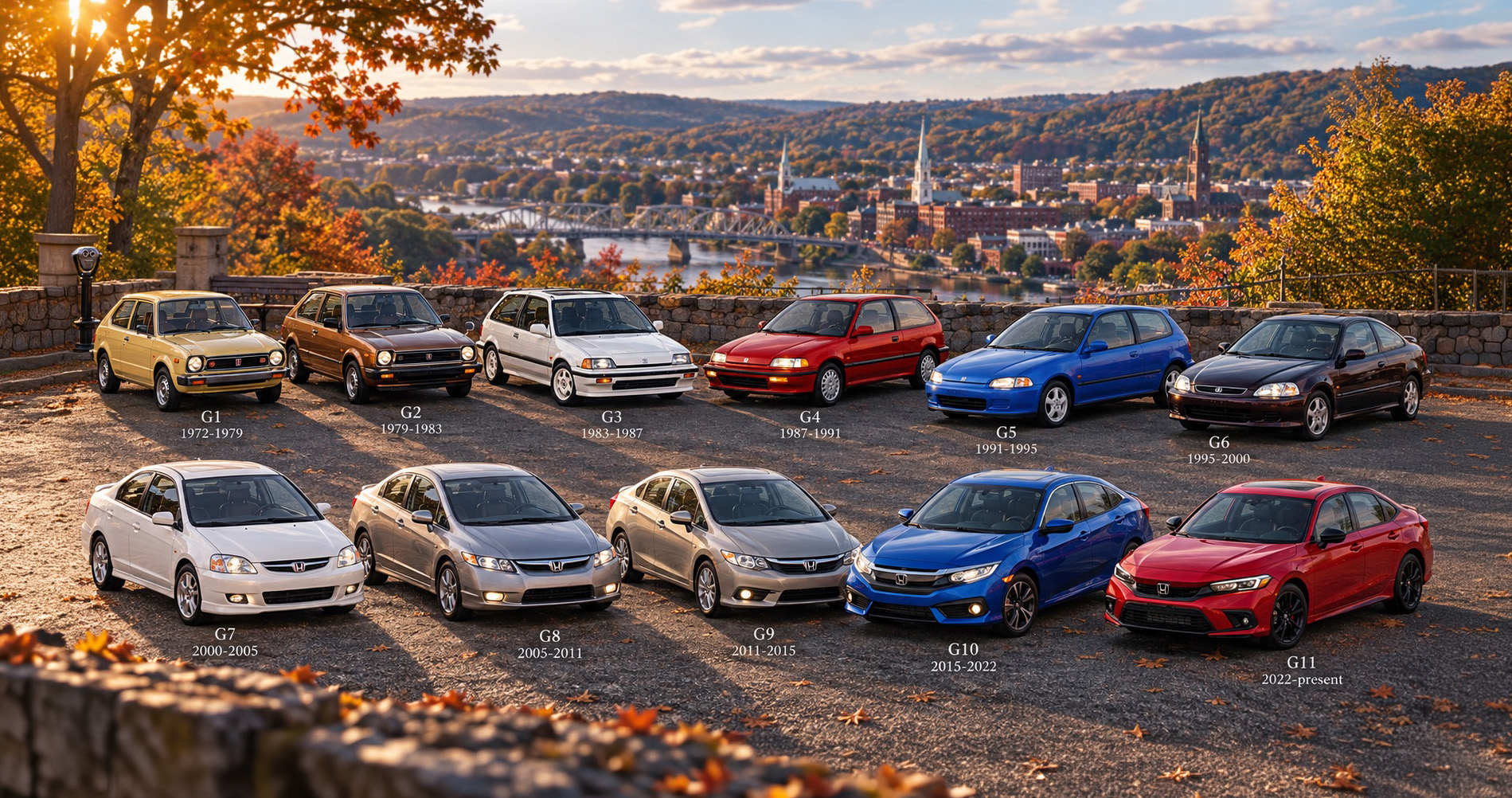
Honda Civic History & Generations
Honda Civic Generations & Model Years: How the Civic Has Changed
More Than 50 Years of Change, Organized by Generation
The Honda Civic has carried the same name for more than five decades, but the car behind that badge has changed dramatically. What began as a very small, efficiency-focused Honda grew into a broader compact-car family with sedan, hatchback, hybrid and performance identities while repeatedly adapting to new expectations for passenger space, safety, technology and everyday refinement.
That long history can also make Honda Civic model years surprisingly difficult to organize. A Civic from the late 1980s has little in common with a modern Civic Hybrid beyond the larger philosophy behind it, and major changes do not always line up neatly with calendar years. Honda also introduced some generations globally before the corresponding U.S. model year arrived.
This guide uses the U.S.-market Civic timeline to organize all 11 generations. Start with the generation-by-year table for the quick answer, then explore each generation to see what changed, why those changes mattered and how today’s Civic grew out of the cars that came before it. Because some of the most influential enthusiast Civics were never officially sold here, a separate global-market section also highlights the Japanese- and European-market models that helped shape Civic culture in the United States.
Honda Civic Generations in 60 SecondsSix quick answers about Civic generations, first years and major branches
When did the Honda Civic first come out?
Honda introduced the Civic globally in 1972. The first U.S.-market Civic arrived for the 1973 model year, which is why this guide begins the American generation timeline with 1973.
How many Honda Civic generations are there?
There are 11 Honda Civic generations through the current Civic. The 11th generation began with the 2022 U.S. model year.
What generation is the current Honda Civic?
The current Civic is the 11th generation, covering the 2022 U.S. model year to the present.
When did the Honda Civic Si begin?
Honda identifies the third-generation Civic S hatchback as an important predecessor, with the Civic Si name appearing in the U.S. for 1986.
When did the first Civic Hybrid arrive?
The first U.S.-market Civic Hybrid was a 2003 model-year vehicle, adding gasoline-electric power to the seventh-generation Civic lineup.
When did Civic Type R come to the United States?
After roughly two decades of Civic Type R development overseas, the model officially reached U.S. Honda dealerships for the 2017 model year, during the 10th generation.
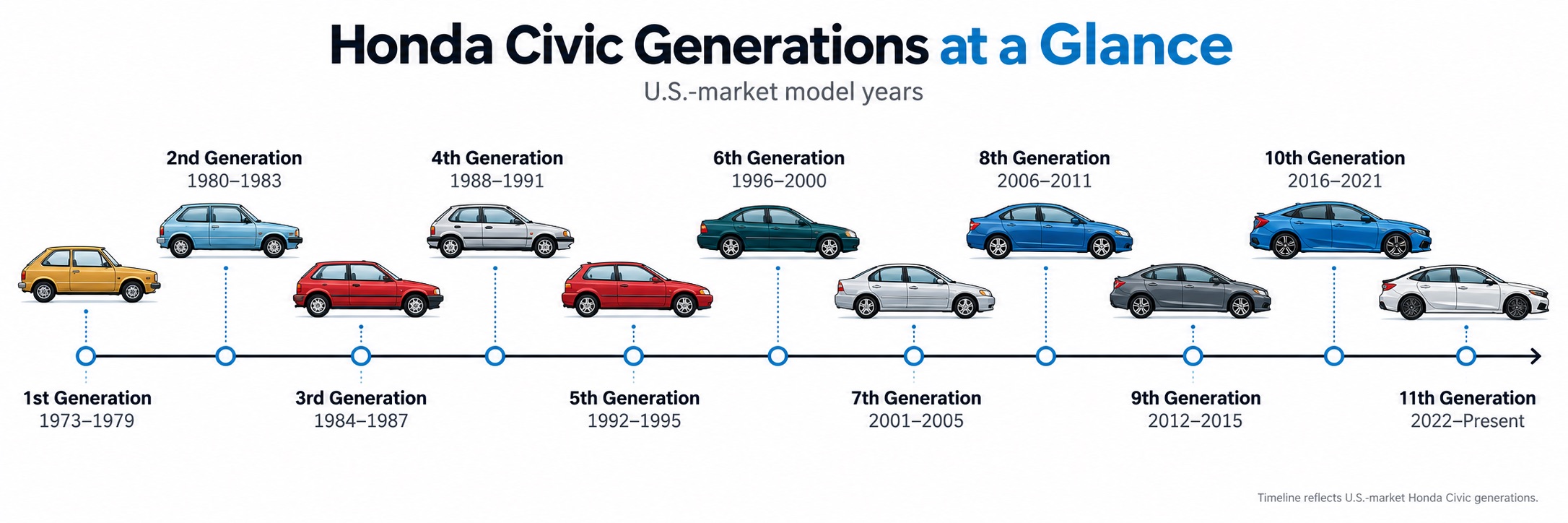
Honda Civic Generations by Year
Which Model Years Belong to Each Civic Generation?
If you only need to identify a Civic generation from its model year, start here. The ranges below follow the general U.S.-market Civic timeline; global launch dates and individual body-style or specialty-model availability can differ.
| Generation | U.S. Model Years | Body-Style / Lineup Identity | What Most Defines It |
|---|---|---|---|
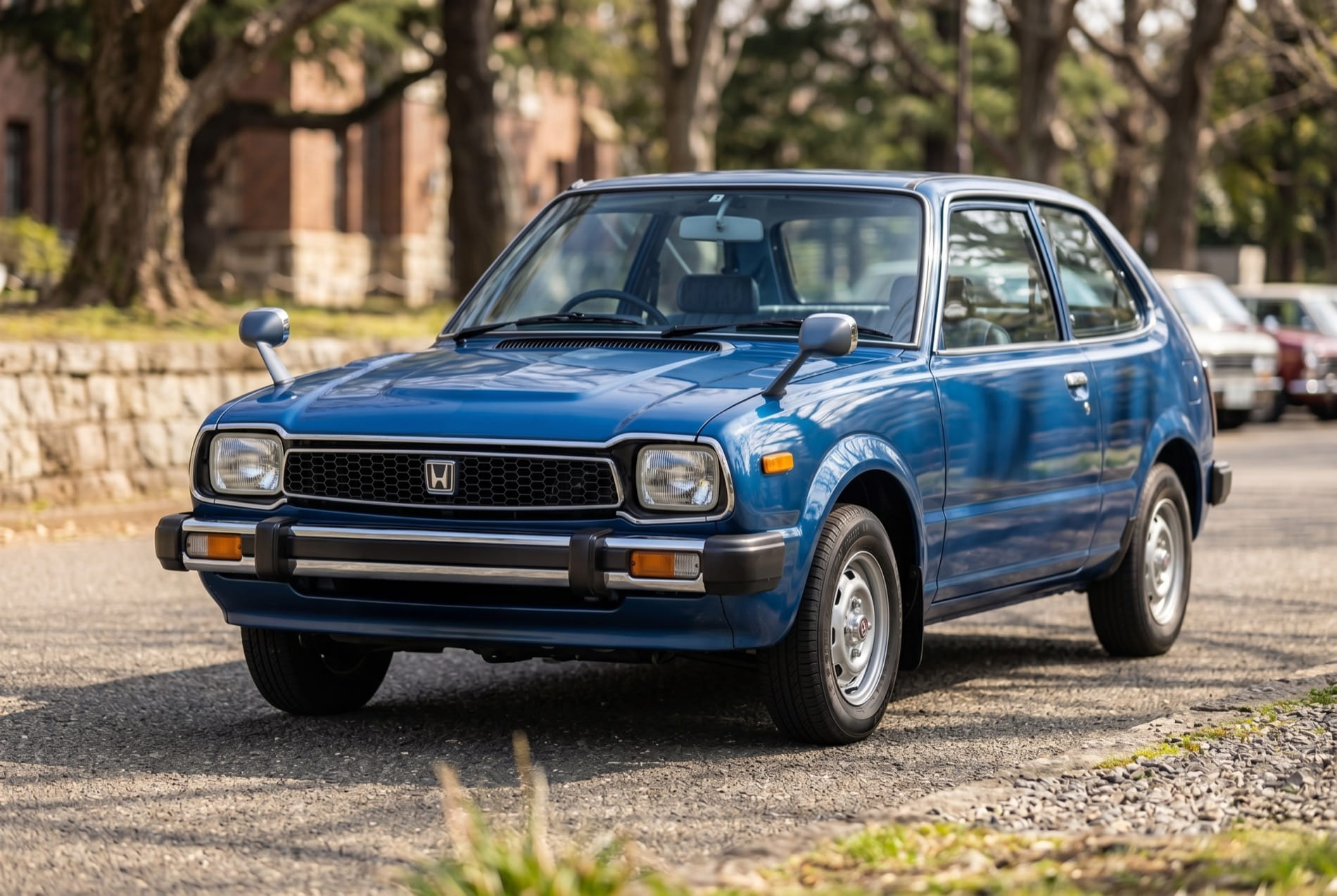
| 1st Generation | 1973–1979 | Hatchback-led early lineup, with additional body variations | Established Civic’s small, efficient, space-conscious formula; CVCC became an important early emissions and fuel-economy milestone. |
| 2nd Generation | 1980–1983 | Hatchback, sedan and wagon lineup expanded | Civic became larger and more mature without abandoning its economy-car mission. |
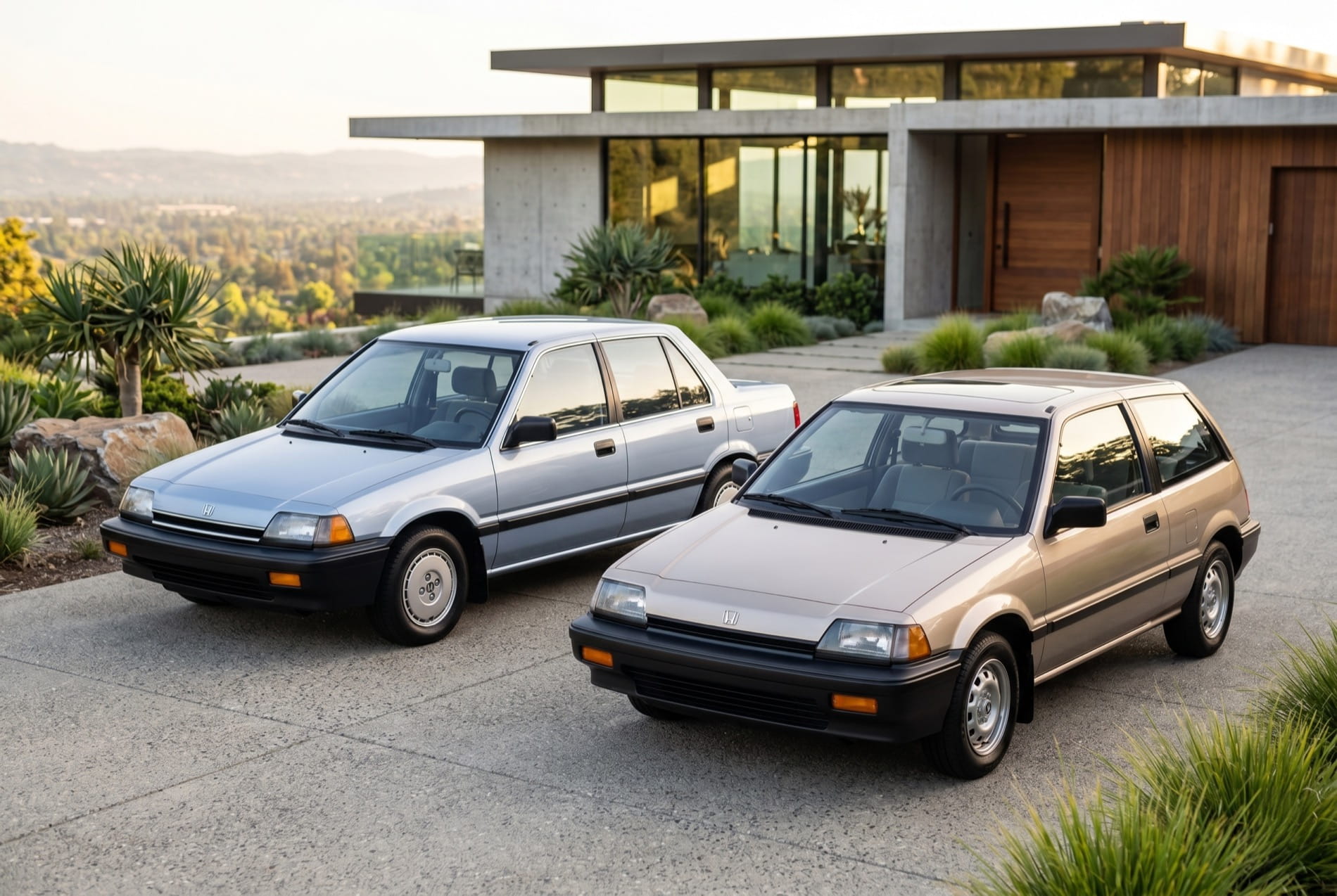
| 3rd Generation | 1984–1987 | Hatchback, sedan, wagon and Civic-family CRX | Smarter packaging, a growing enthusiast identity and the emergence of Civic Si. |
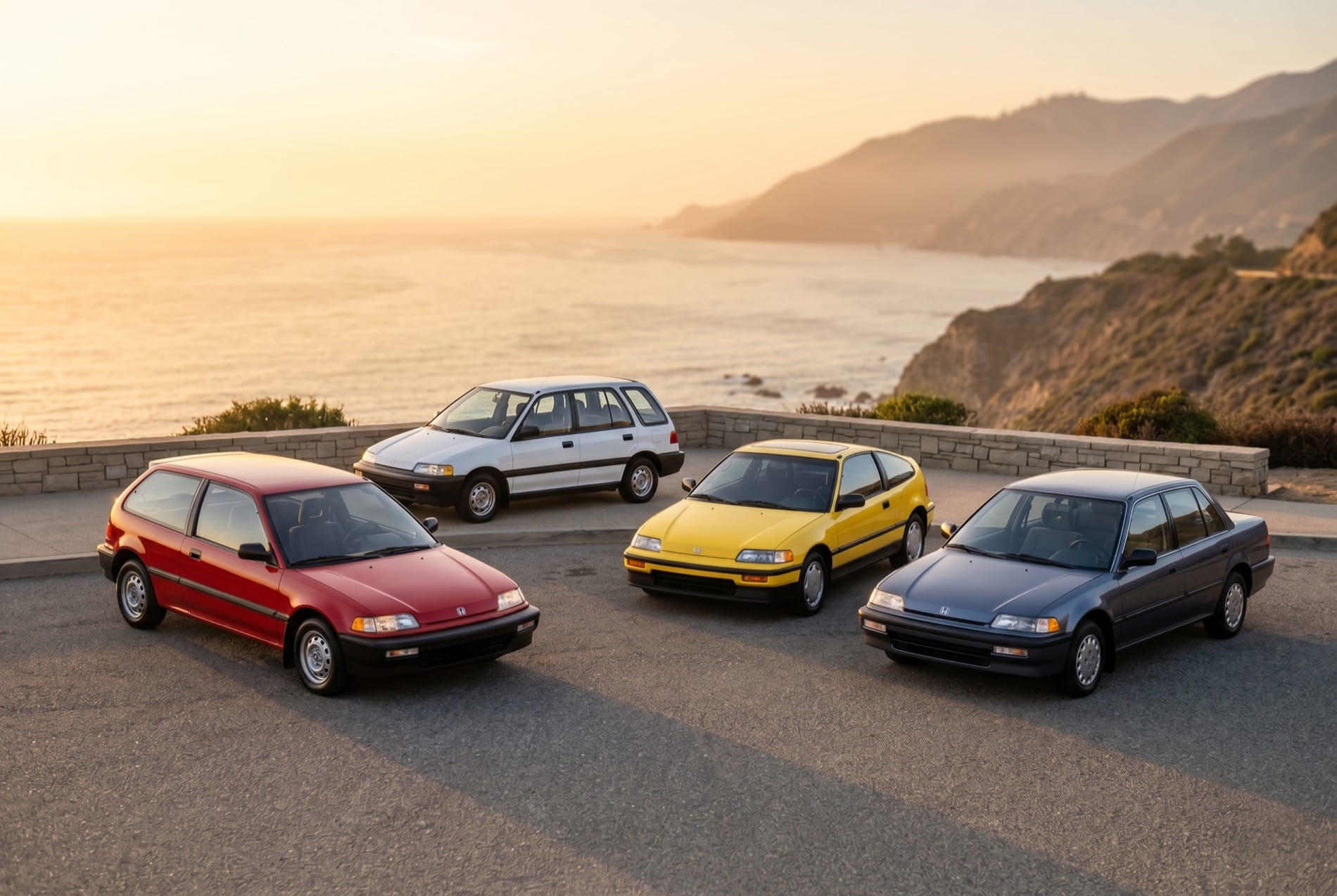
| 4th Generation | 1988–1991 | Hatchback, sedan, wagon and related CRX | More sophisticated chassis engineering and stronger performance credibility. |
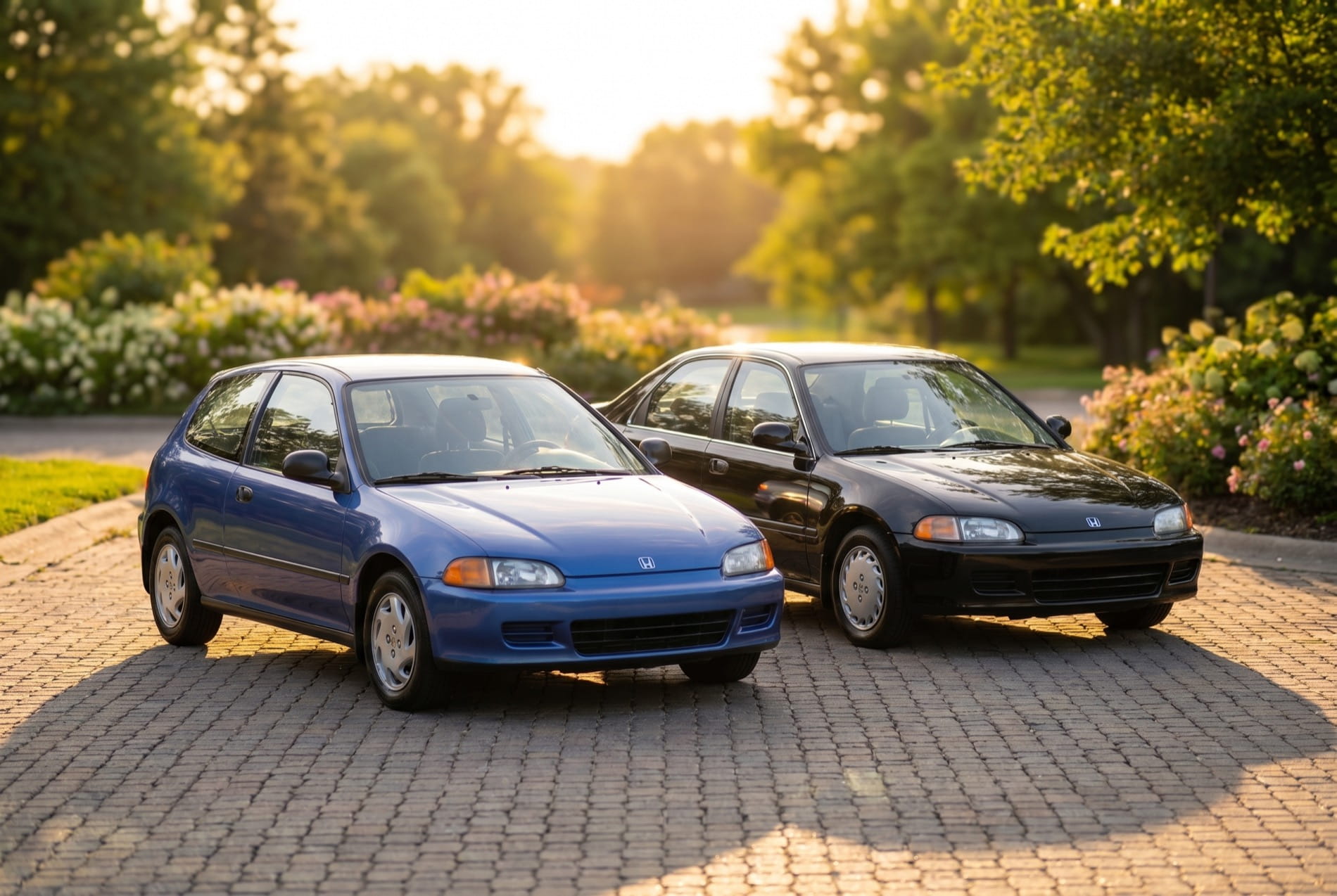
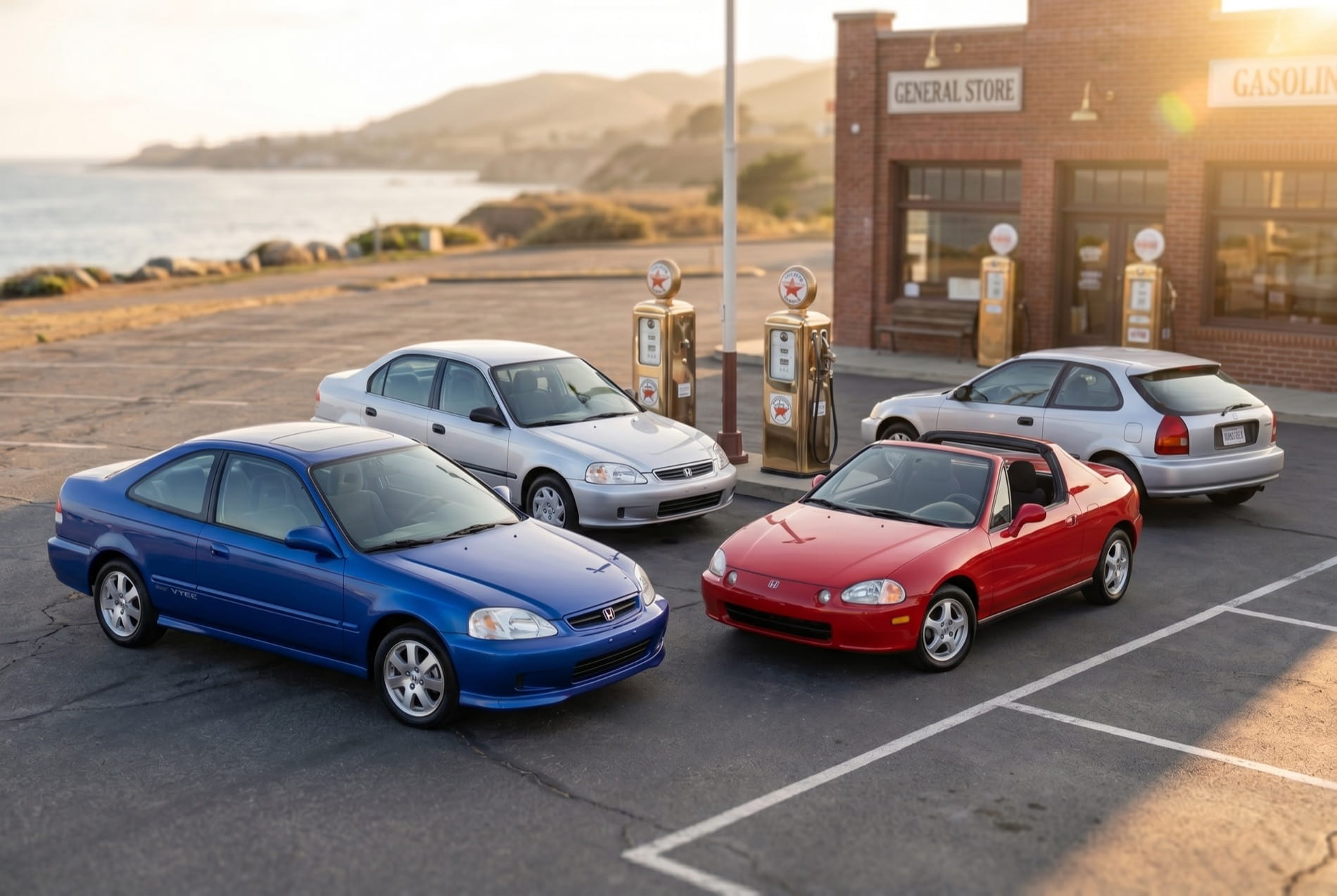
| 5th Generation | 1992–1995 | Hatchback, sedan and coupe | Rounded 1990s redesign, VTEC-era technology and the arrival of the Civic Coupe. |
| 6th Generation | 1996–2000 | Hatchback, sedan and coupe | Broader efficiency/emissions strategies plus the memorable 1999–2000 Civic Si Coupe. |
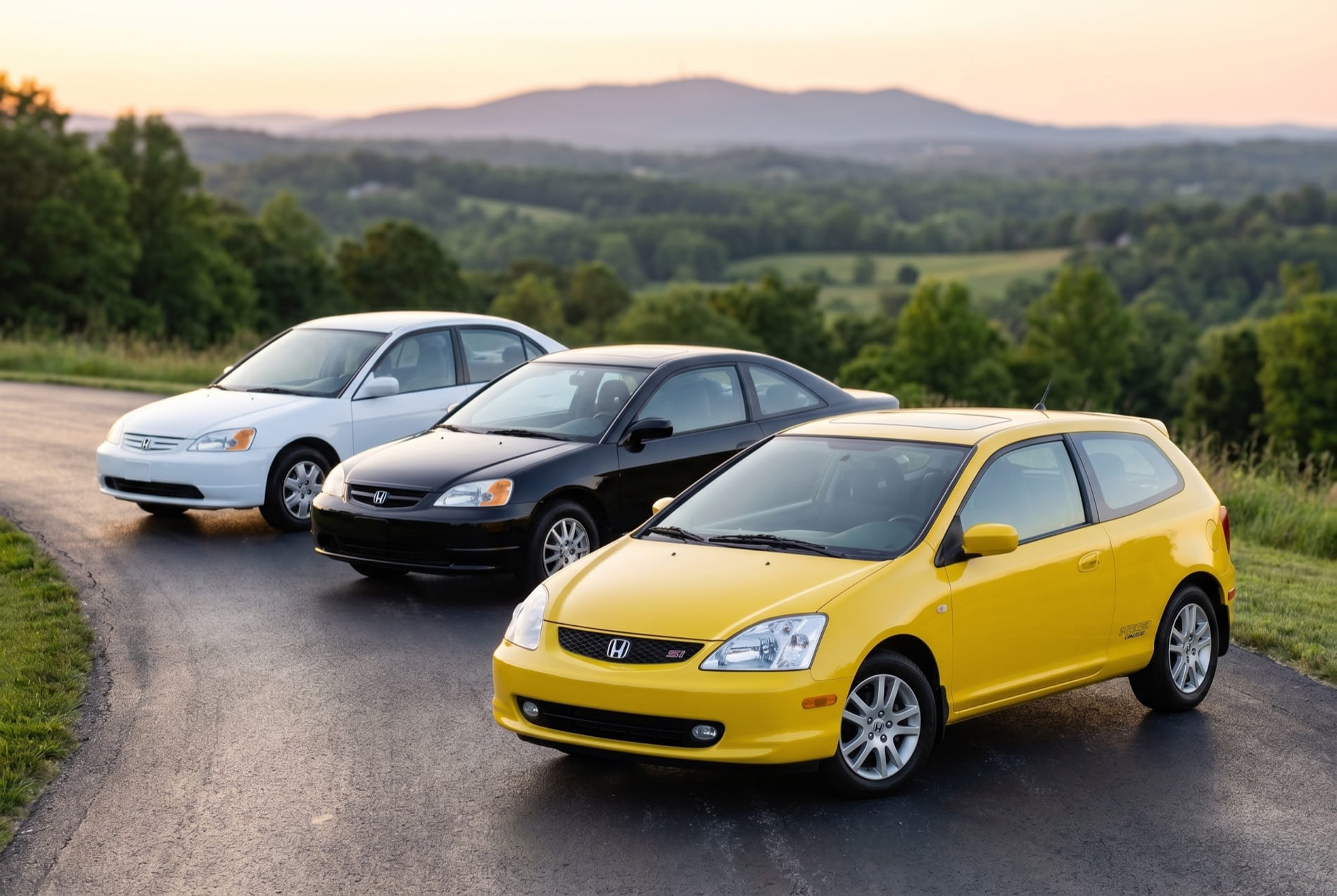
| 7th Generation | 2001–2005 | Sedan and coupe; Si used a hatchback body | More cabin-focused packaging and the first U.S. Civic Hybrid. |
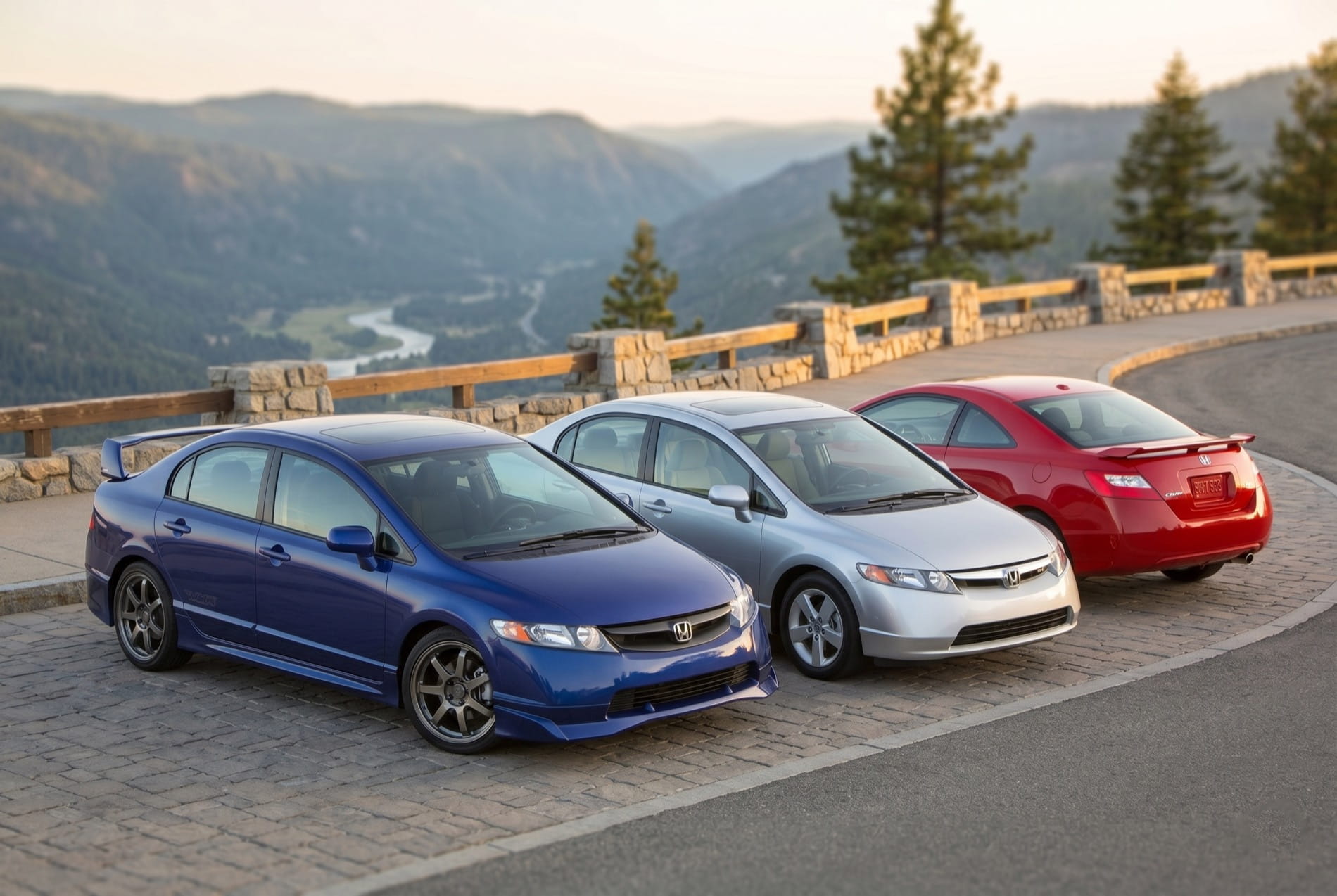
| 8th Generation | 2006–2011 | Sedan and coupe, plus Hybrid, Si and GX branches | Dramatic design reset, stronger safety architecture and more distinct mainstream/performance identities. |
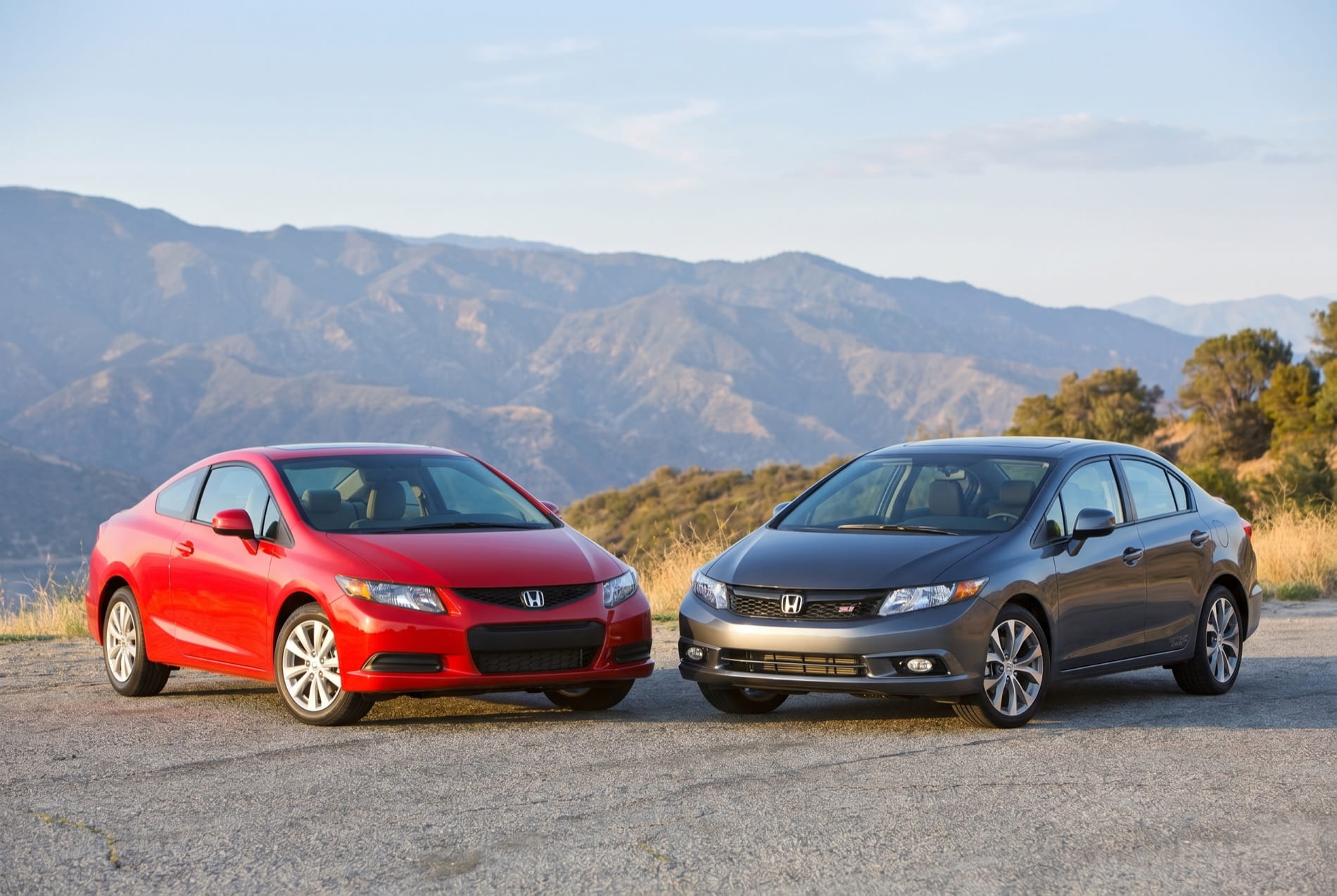
| 9th Generation | 2012–2015 | Sedan and coupe with Si, Hybrid and Natural Gas variants | A short transitional generation that received unusually rapid refinement and technology updates. |
| 10th Generation | 2016–2021 | Sedan, coupe and hatchback; Si and Type R | Clean-sheet reset with turbo power, the first U.S. five-door Civic Hatchback and the first U.S. Civic Type R. |
| 11th Generation | 2022–Present | Sedan and hatchback; Hybrid, Si and Type R | Cleaner modern design, updated technology and the return of Civic Hybrid as a major mainstream powertrain. |
| Model-year ranges on this page refer to U.S.-market Honda Civic models unless otherwise noted. Global launch years and individual body-style, powertrain or specialty-model availability can differ by market. | |||
The Civic Did Not Evolve in One Straight Line
Early generations established efficiency and packaging, the late 1980s and 1990s strengthened Civic’s enthusiast identity, the 2000s brought more cabin space, safety and hybrid technology, and the newest generations added turbocharged performance, modern connectivity and a renewed hybrid focus.
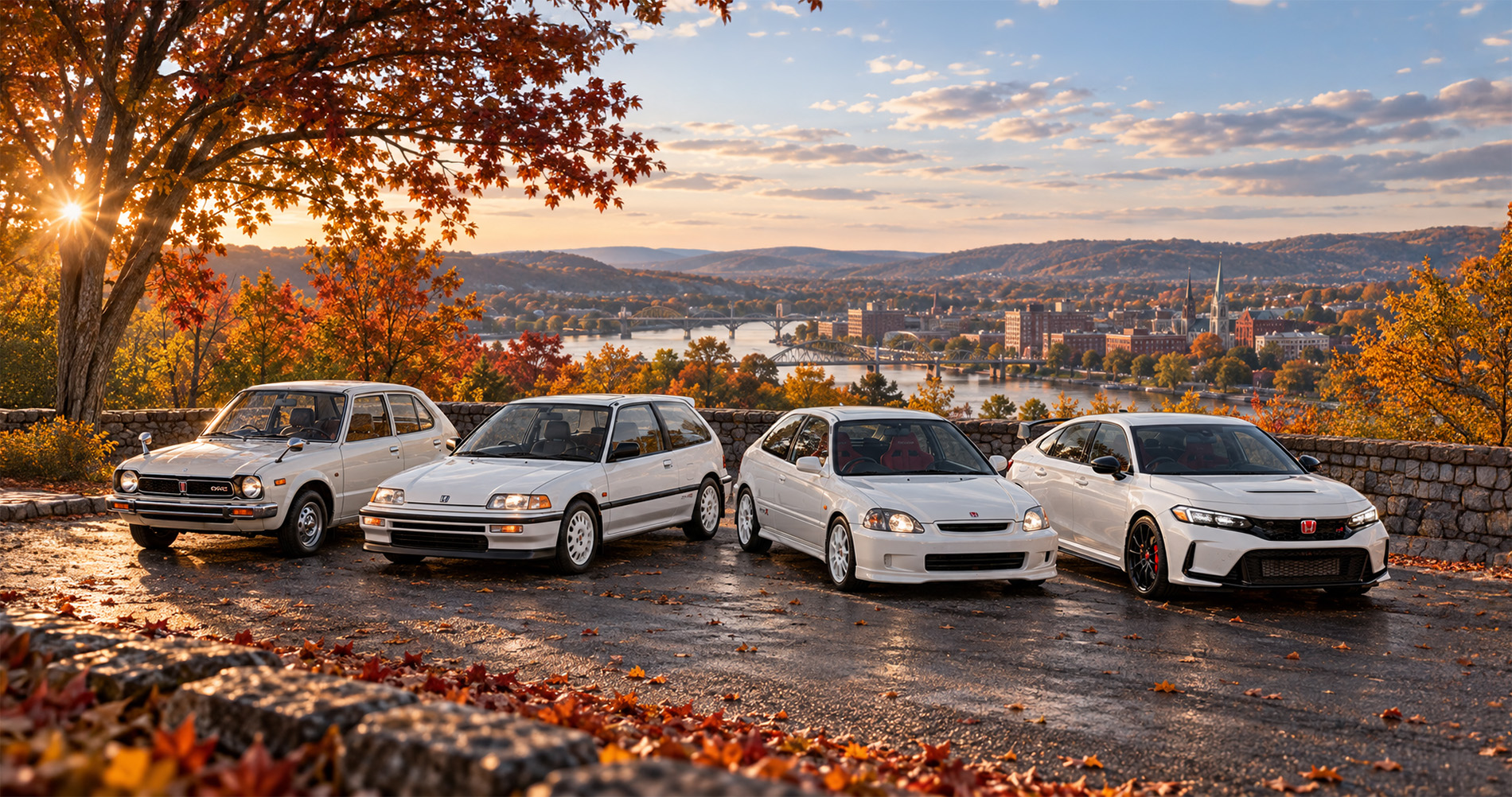
Explore Every Civic Generation
What Changed From One Honda Civic Generation to the Next?
A generation change matters when Honda substantially reworks the Civic’s design, engineering, packaging or role—not simply because another model year arrives. Choose a generation below or use Previous/Next to move through the full U.S. timeline.
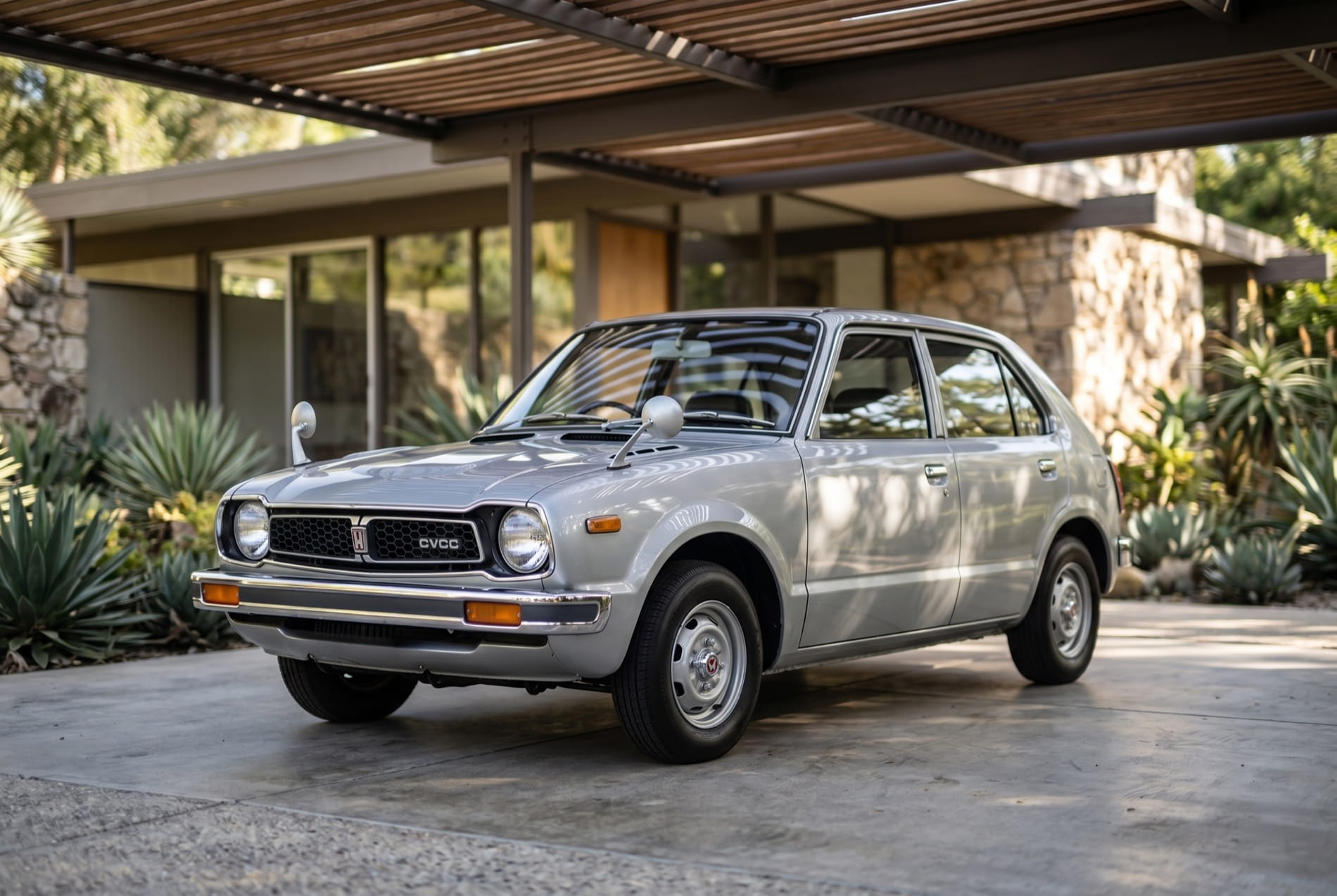
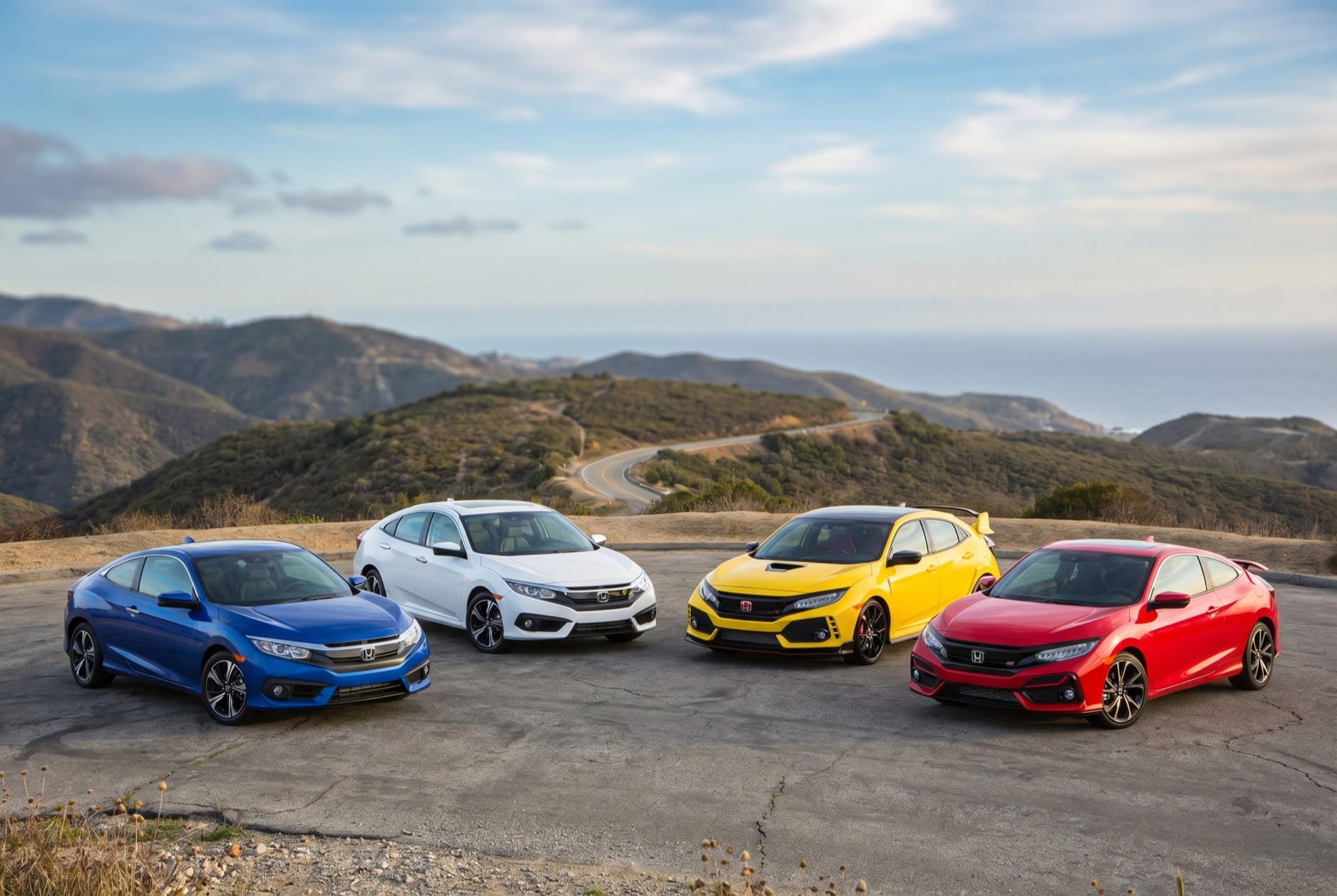
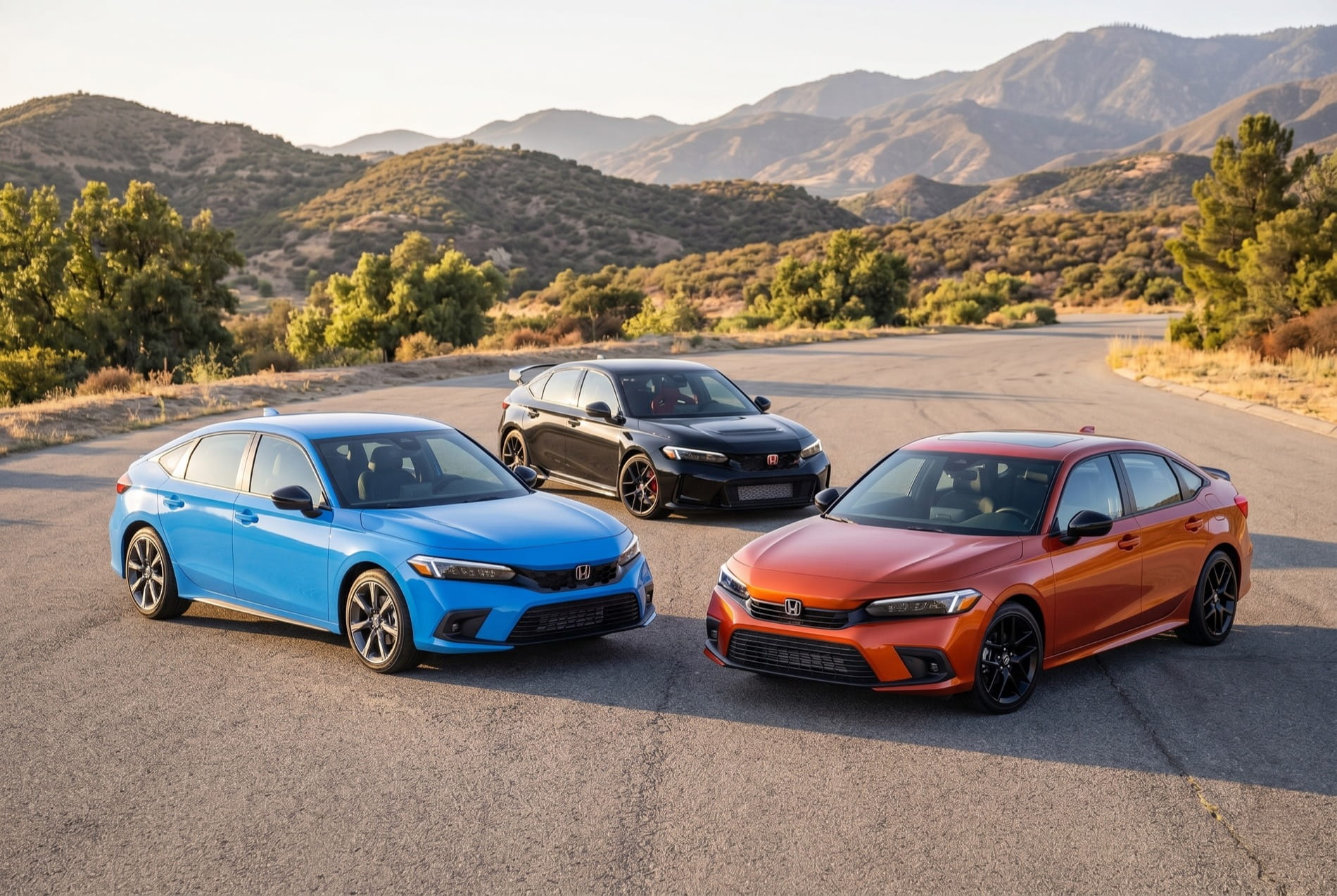
Beyond the U.S. Timeline
Global Civics That Shaped the Enthusiast World
The generation table and explorer above stay focused on U.S.-market Civics, but that is only part of the enthusiast story. Japanese- and European-market models introduced high-revving VTEC engines, Type R variants and market-specific styling that never reached American Honda showrooms in the same form. Those cars still became deeply influential in U.S. Civic culture, where owners often looked overseas for inspiration when modifying older USDM cars.
Japan • 1989
EF9 Civic SiR / SiR II
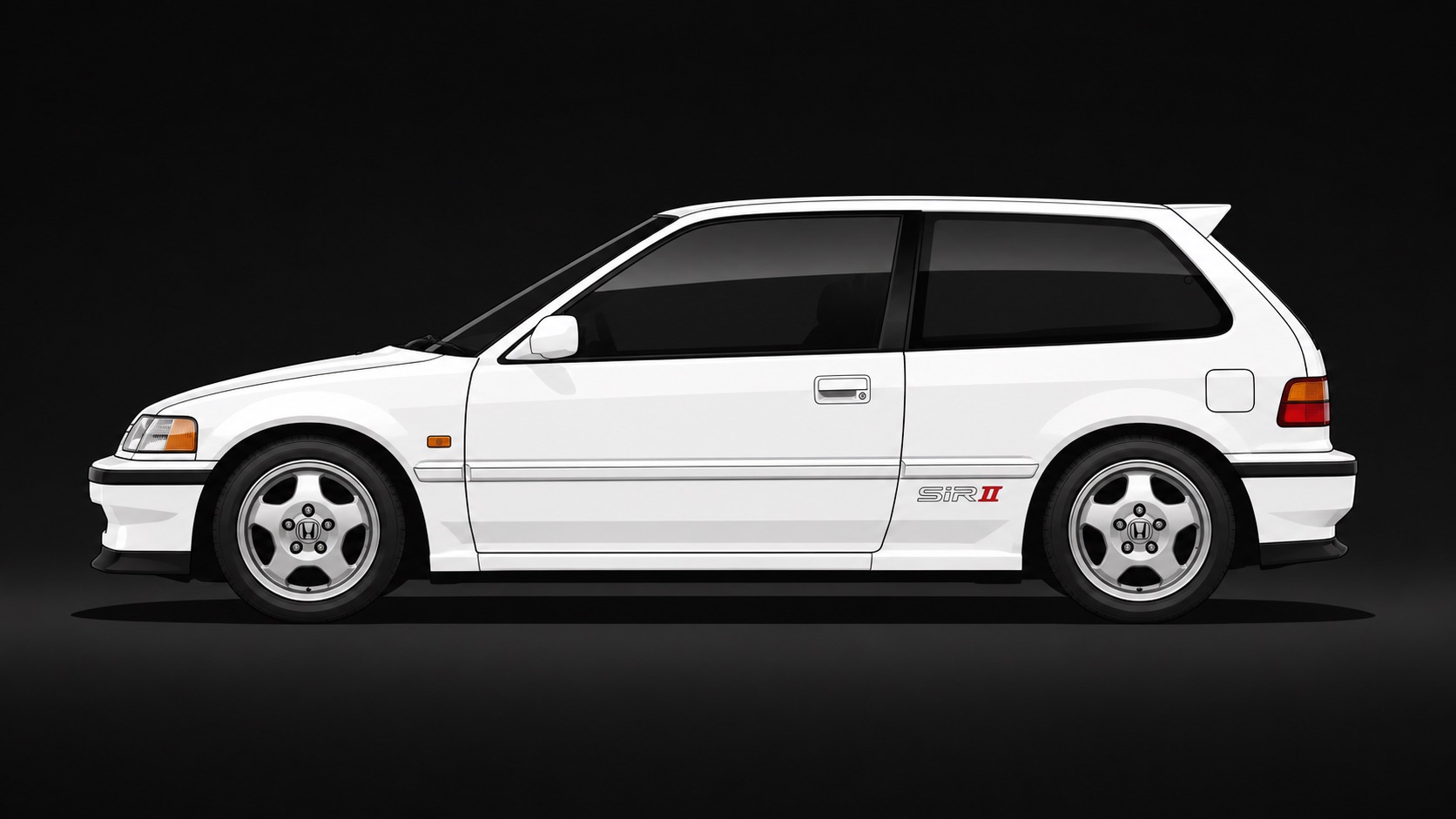
Honda gave the Japanese-market three-door Civic SiR and SiR II its then-new 1.6-liter DOHC VTEC engine, rated at 160 PS. The EF-era SiR helped establish the high-revving VTEC formula that became central to later Civic enthusiast culture, even though American fourth-generation Civics did not receive this model.
Japan • 1997
EK9 Civic Type R
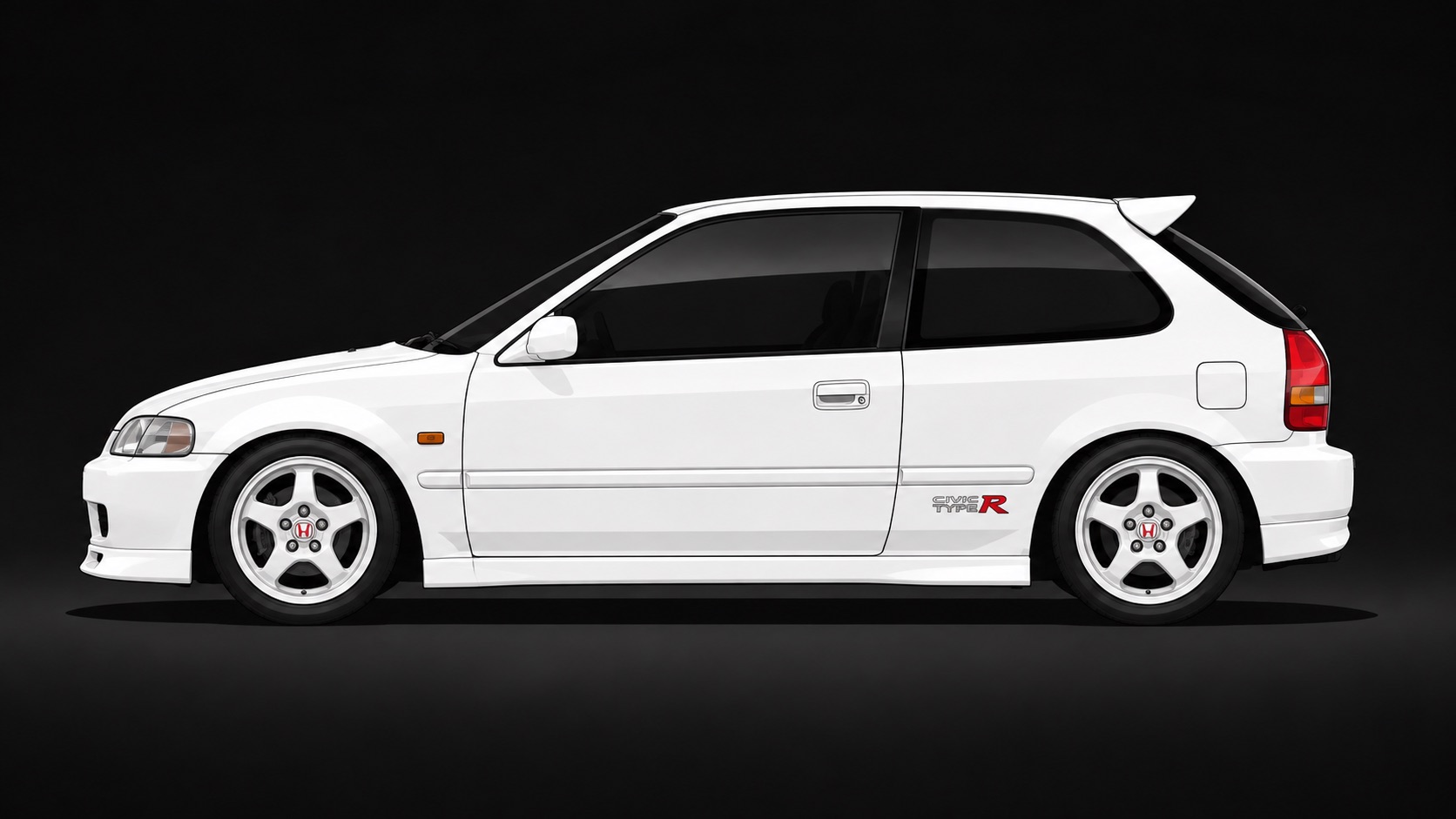
The EK9 was the first Civic Type R. Honda developed a 1.6-liter DOHC VTEC engine producing 185 PS at 8,200 rpm and applied the Type R philosophy to the compact Civic hatchback. It became one of the most recognizable Japanese-market Civics and a major reference point for sixth-generation builds around the world.
Europe / Japan • 2001
EP3 Civic Type R
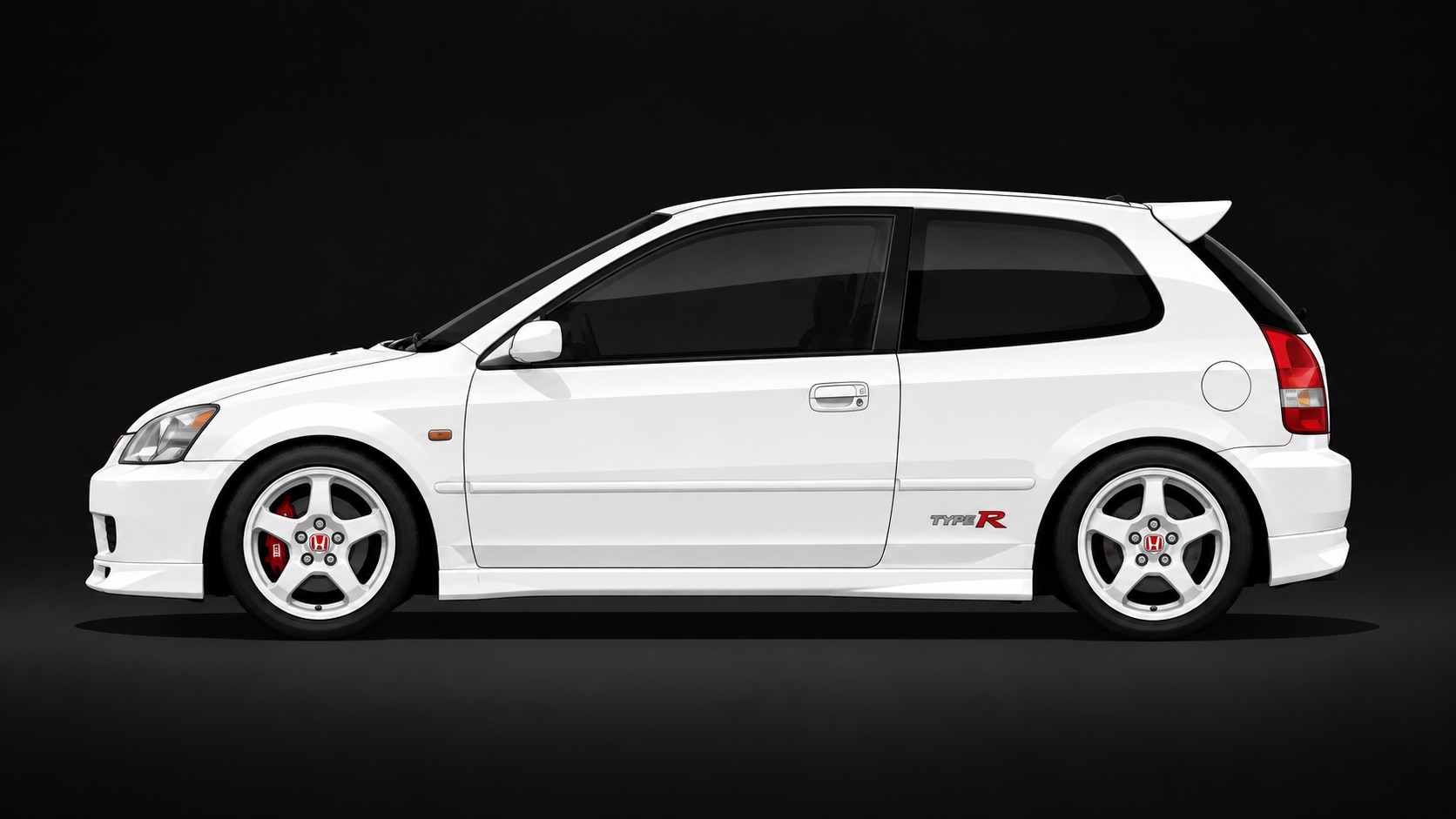
Built in Swindon, England, the three-door EP3 carried the Type R formula into the seventh-generation era. European versions used a 200 PS 2.0-liter engine, while the Japanese-market Type R was rated at 215 PS. Its tall hatchback shape also showed how differently the global Civic range could evolve from the sedan- and coupe-focused U.S. lineup.
Japan • 2007
FD2 Civic Type R
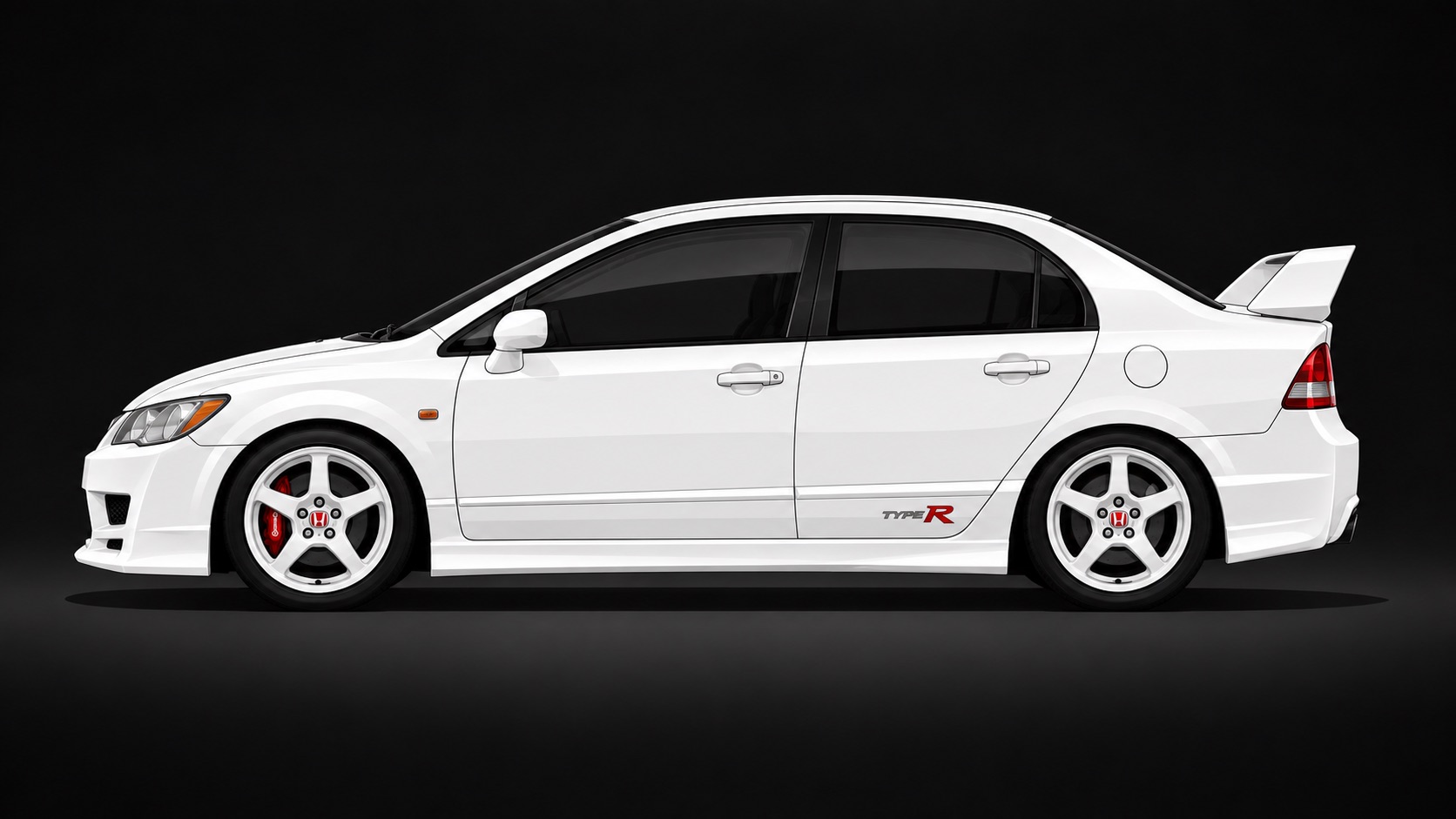
Japan’s eighth-generation Type R took the unusual form of a four-door sedan. Honda further developed its naturally aspirated K20A engine to 225 PS and paired the stronger output with dedicated chassis tuning. For enthusiasts used to the U.S. eighth-generation Civic Si, the FD2 represented a much more specialized factory interpretation of the same broad Civic era.
Europe • 2007
FN2 Civic Type R / Type R Euro
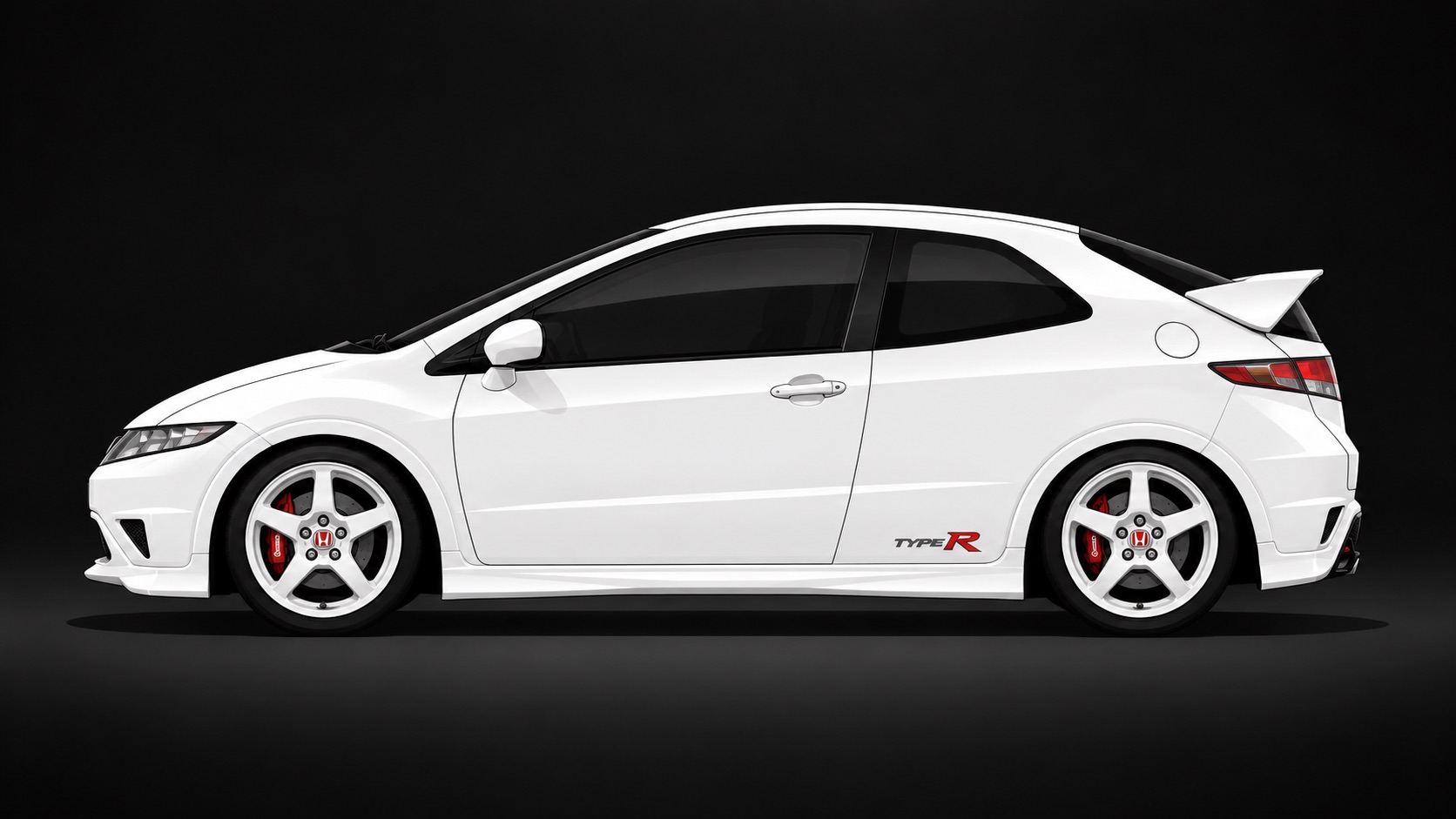
Europe followed a different eighth-generation path with a dramatic three-door hatchback Type R built in Britain. Honda later exported the model to Japan as the limited-volume Civic Type R Euro, distinguishing it from Japan’s FD2 sedan. The pair is a clear example of how one Civic generation could develop very different performance identities by market.
Europe / Japan • 2015
FK2 Civic Type R
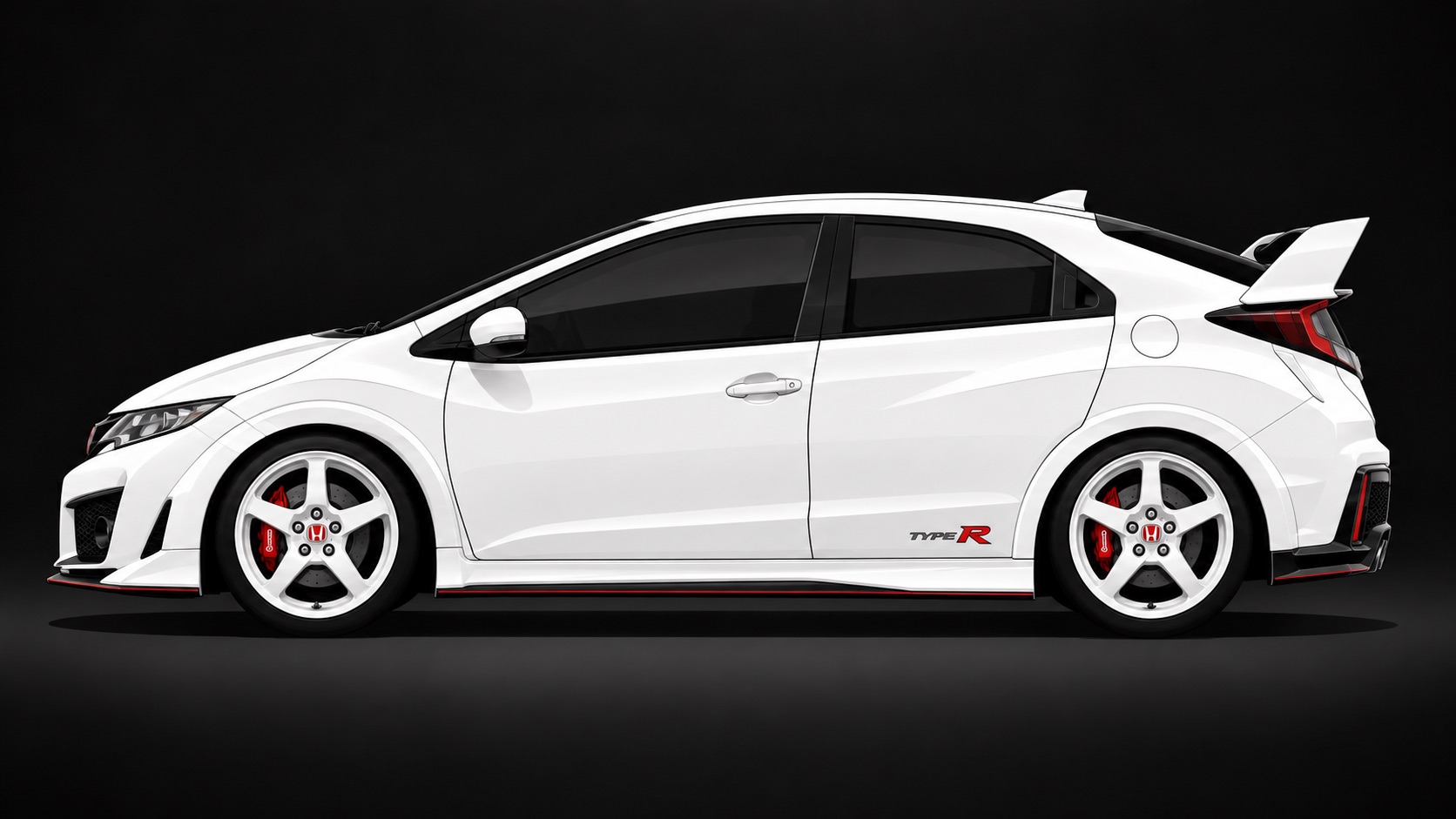
The FK2 marked the first turbocharged Civic Type R, pairing Honda’s new 2.0-liter VTEC Turbo engine with 310 PS. It was the immediate performance bridge between the naturally aspirated overseas Type Rs and the 10th-generation FK8 that finally brought the Type R badge to U.S. Honda dealerships.
Why these cars matter in the U.S.: Overseas Civics were not just distant-market trivia. Japanese-market front-end conversions, SiR and Type R styling, engine swaps and other global-market parts became part of American Civic enthusiast culture for decades. That influence helps explain why the first officially imported U.S. Civic Type R in 2017 felt less like the beginning of a new idea and more like America finally joining an established global lineage.
Major Turning Points
The Changes That Reshaped the Honda Civic
Not every model-year update deserves equal historical weight. These six moments changed the Civic’s direction, widened what the nameplate could represent or introduced technology that remained important afterward.
1973–1975
Civic Arrives & CVCC Makes Its Mark
The first U.S. Civic established Honda’s small-car presence, while CVCC technology quickly made emissions control and fuel-conscious engineering central parts of the Civic story.
1986
Si & U.S. Civic Production
The Civic Si identity emerged in the same era that Honda began building Civics in Ohio—two developments that would have lasting effects on Civic enthusiasm and its American-market importance.
1990s
VTEC, Coupe & a Broader Civic Identity
Fifth- and sixth-generation Civics widened the formula with coupe availability, multiple efficiency strategies and increasingly visible factory performance models.
2003–2006
Hybrid Power Meets a More Modern Civic
Civic Hybrid added electrification, then the eighth generation delivered a much more dramatic design and safety reset. Together they pushed Civic beyond the traditional economy-car brief.
2016–2017
Turbo, Hatchback & Type R
The 10th generation introduced turbocharged Civic power, added the first U.S. five-door Civic Hatchback and, after years of overseas Type R development, finally delivered the Civic Type R to American Honda showrooms.
2025
Hybrid Returns as a Mainstream Civic
Civic Hybrid returned in both sedan and hatchback form, reconnecting the Civic’s long-standing efficiency mission with today’s expectations for stronger performance and refinement.
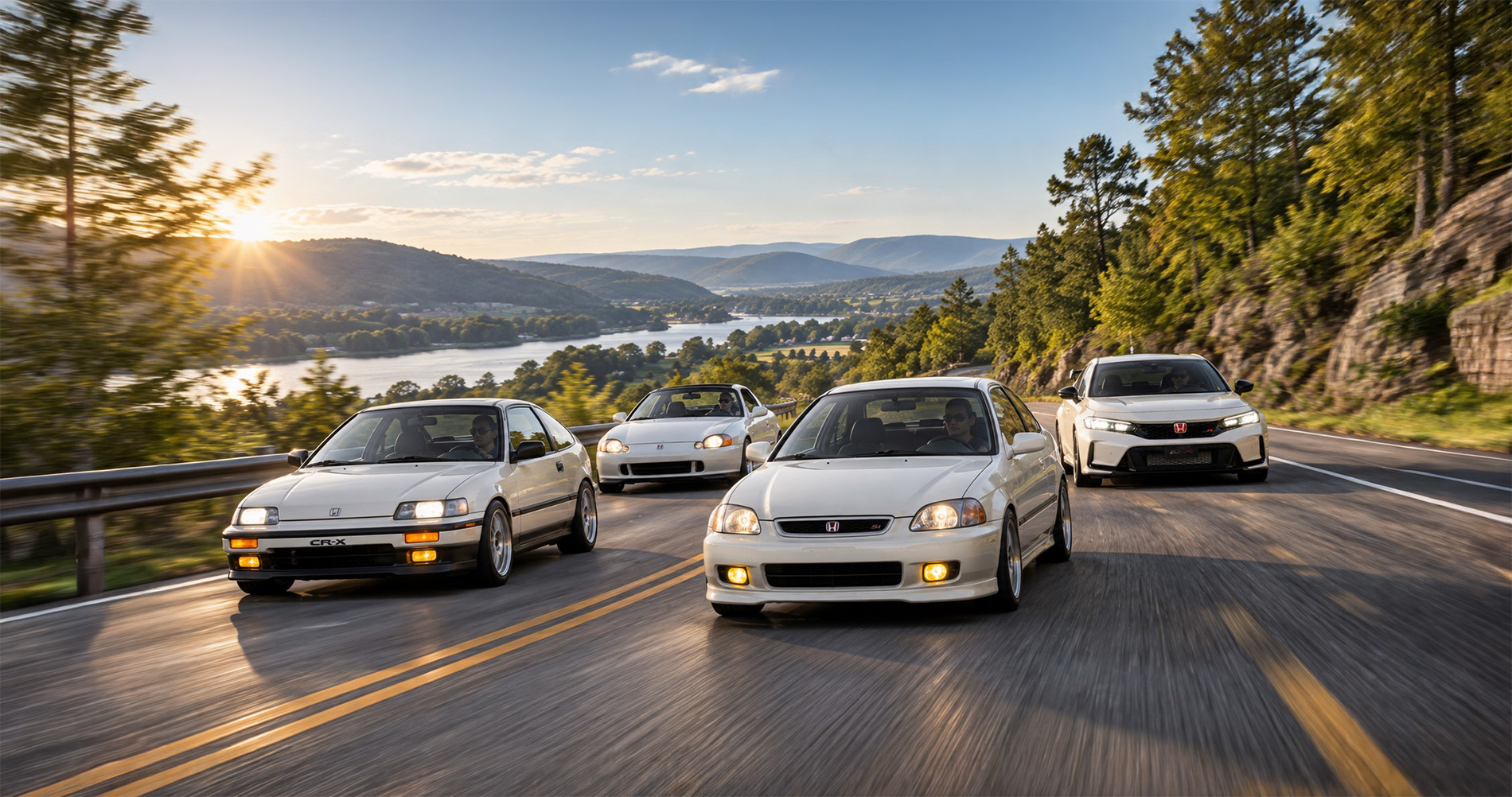
Honda Civic Through the Years
How the Civic Changed Over Time
The generation-by-generation timeline explains what happened. Looking across all 11 generations reveals the longer trends that changed what buyers could expect from a compact Honda.
The Civic Grew—but Packaging Stayed Important
The earliest Civic was an extremely small car by modern standards. Across successive generations, Honda added passenger room, crash structure, comfort and equipment, so today’s Civic occupies a very different physical and functional space.
What stayed consistent was the emphasis on making the available footprint useful. The details changed—from tiny early hatchbacks to roomier sedans and today’s five-door models—but packaging efficiency remained one of the themes connecting otherwise very different Civic generations.
Body Styles Expanded, Contracted and Changed Roles
The Civic has worn far more shapes than today’s lineup suggests. Hatchbacks, sedans, wagons, coupes and related specialty models all played roles at different points in the history.
Some disappeared as the market changed. The dedicated Civic Coupe lineage ended after the 2020 model year, while today’s Civic centers on sedan and five-door hatchback bodies. That changing mix is one reason the phrase “Honda Civic” has never represented exactly the same kind of car in every decade.
Efficiency Evolved From Small Engines to Hybrid Power
Fuel economy was important to the Civic long before electrification. Small dimensions, efficient engines and innovations such as CVCC helped build the early reputation.
Later generations approached the same problem differently: VTEC-E, CVT applications, natural-gas power and eventually Civic Hybrid. The modern two-motor Civic Hybrid is therefore less a break from Civic history than another version of one of its oldest priorities—using engineering to make daily transportation more efficient.
Performance Grew From Lightweight Character to Si and Type R
Early Civics could feel engaging partly because they were small and light. Honda gradually turned that character into deliberate factory performance branches.
Civic Si gave U.S. buyers a repeatable performance identity across multiple generations, while Japanese- and European-market SiR and Type R models pushed the enthusiast side further overseas. Their influence reached U.S. owners through styling, parts and engine-swap culture long before Civic Type R was officially sold here. That progression helps explain why the Civic can have credibility as both ordinary transportation and an enthusiast car without those identities necessarily contradicting each other.
Safety and Technology Changed What “Compact Car” Means
A 1970s Civic and a modern Civic may occupy the same family tree, but their expectations are fundamentally different. Airbags, stronger crash structures, anti-lock braking, stability systems, modern driver assistance, smartphone integration and increasingly digital displays gradually changed what Civic buyers could expect from a compact car.
The Civic’s evolution is therefore not only a story of engines and styling. Much of the change happened in the things drivers now experience every day without necessarily thinking of them as historical milestones.
The Civic Today
How Today’s Civic Connects to Its Past
More than 50 years after the first U.S. Civic, the modern car still makes sense for some of the same underlying reasons: manageable dimensions, efficient everyday transportation and enough flexibility to work for more than one kind of driver.
The difference is how many additional roles have accumulated around that original mission. Today’s Civic family can emphasize traditional sedan practicality, hatchback cargo flexibility, hybrid efficiency or performance through Si and Type R. Modern safety, connectivity and cabin refinement would have been unrecognizable to a Civic owner in the 1970s, but the basic goal of making a compact car useful in everyday life is easy to trace across the generations.
For Capital Region drivers, that continuity still shows up in practical use. The Civic’s manageable size and efficiency fit a regular Troy-to-Albany commute, while its compact footprint remains useful for everyday parking and longer regional driving on I-90 or the Northway. The modern car is mechanically far removed from the original, but efficient daily transportation has remained part of the nameplate’s purpose.
Find the Civic That Fits Your Next Drive
Explore New & Used Honda Civic Models
Whether you are interested in the newest Civic generation or looking for an earlier model year, Rensselaer Honda gives you several ways to continue your research. Compare the current lineup with the Civic trim guide, browse new Civic models, or see which used Civics are available now.
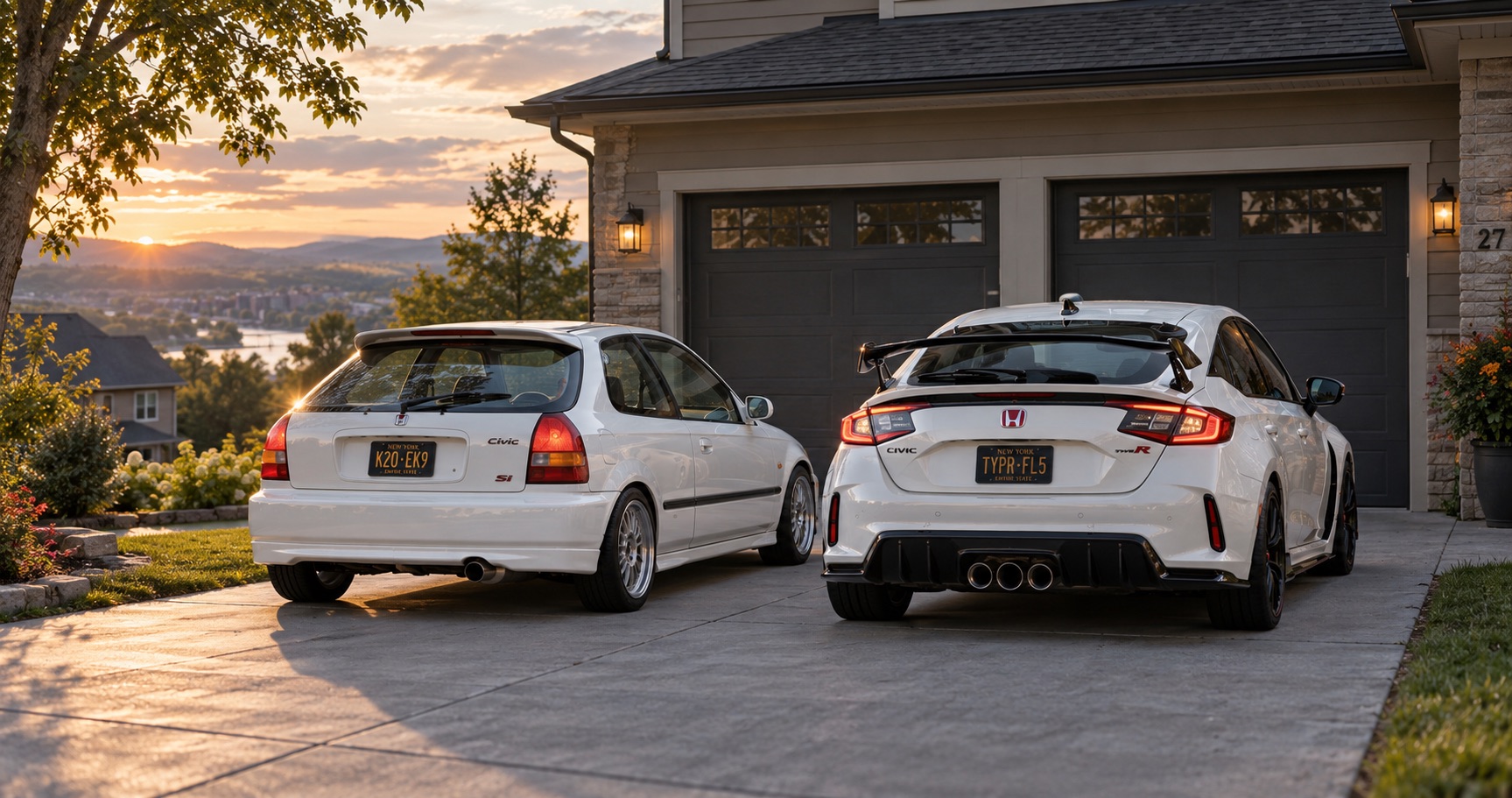
A Longtime Honda Connection in Troy
A Civic History That Overlaps Rensselaer Honda’s Own
Rensselaer Honda’s family-owned story began in 1977, only a few model years into the Civic’s U.S. history. That creates a natural connection for this page: the dealership has been part of the local Honda market through decades of changes in what the Civic looks like, how it is powered and what compact-car buyers expect from it.
Today, continuously trained Honda Product Specialists can help put that history into practical context. Someone moving from an older Civic can compare today’s seating position, cabin space, controls, driver-assistance technology and powertrain choices in person rather than assuming the current car simply feels like a newer version of the one they already know.
Rensselaer Honda’s Simply Better approach also keeps the transition from research to shopping straightforward. An owner moving out of an older Civic can review current inventory and start a trade estimate online, then use the Troy visit to compare the cabin, controls, powertrain and driving experience in person. That keeps dealership time focused on the differences a history page cannot answer for you.
FAQ: Honda Civic Generations & Model Years
Use these answers for generation-year questions that need more context than the quick-answer block or overview table provides.
Historical notes and disclaimers:
*This article uses U.S.-market Honda Civic model years as its primary timeline unless otherwise noted. The global-market enthusiast section intentionally highlights selected Japanese- and European-market models; launch timing, body styles, powertrains, trims and specialty-model availability may differ by country or market.
*First-generation Civic body-style terminology varies across historical and modern Honda references. This page describes early U.S. body configurations without forcing later Sedan, Hatchback, Wagon or Coupe lineage labels onto every early vehicle.
*Historical milestones and generation details were researched primarily from official Honda and American Honda historical, newsroom and model-information sources. Historical specifications and availability can vary within a generation by model year, body style and configuration.
*Current Civic lineup, trim, feature and inventory availability can change. Confirm the exact vehicle, equipment and current listing with Rensselaer Honda before purchase.
*Honda Sensing and other driver-assistive technologies have operating limitations and do not replace attentive driving. Drivers remain responsible for safely operating the vehicle.
